


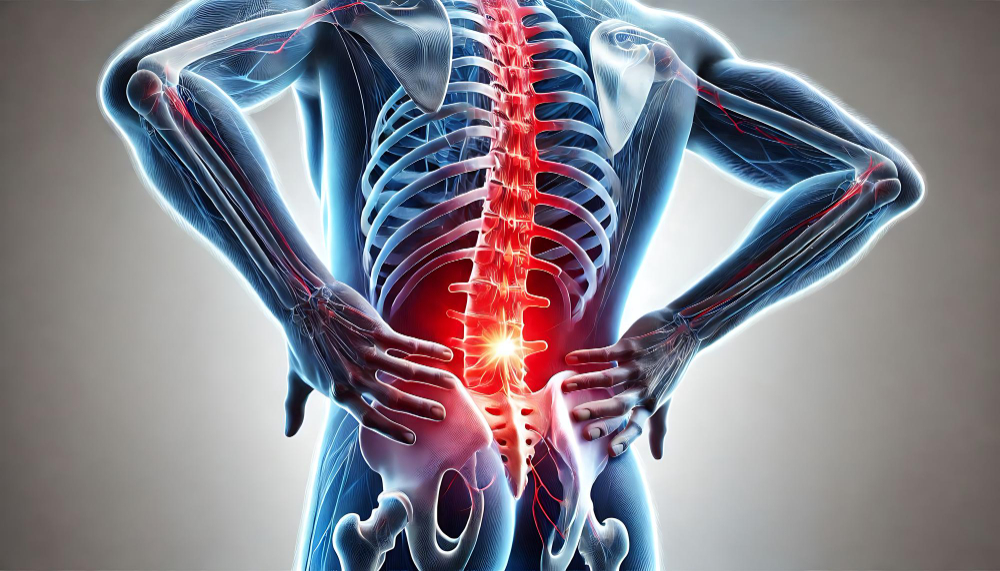
What is Sciatica?
Sciatica is a type of pain that starts in the lower back and travels down one leg. This pain happens when the sciatic nerve, which is the largest nerve in your body, gets irritated or pressed. Because of this, many people feel sharp or burning pain. Sometimes, sciatica can also cause tingling or weakness in the leg. For many, sciatica pain relief becomes a top priority. Although sciatica is common, it can affect daily life if not treated.
Common Causes of Sciatica
There are several reasons why someone may develop sciatica. Often, a problem in the lower back puts pressure on the sciatic nerve. Here are some common causes:
Sometimes, sitting for long periods or lifting heavy objects can also trigger sciatica symptoms.
Recognizing Sciatica Symptoms
It is important to know the signs of sciatica. Early recognition can help you seek treatment sooner. Common sciatica symptoms include:
However, not everyone will have all these symptoms. Some people may only feel mild discomfort, while others have severe pain.
How is Sciatica Diagnosed?
Doctors use several steps to diagnose sciatica. First, they ask about your symptoms and medical history. Next, they perform a physical exam to check your strength, reflexes, and pain areas. Sometimes, doctors use tests to find the cause of sciatica. These may include:
With these steps, doctors can suggest the best sciatica treatment options for you.
Treatment Options for Sciatica
There are many ways to treat sciatica. Most people get better with simple care at home. However, some may need more help. Common sciatica treatment options include:
For those seeking sciatica pain relief in their area, local clinics often offer these services. Always talk to your doctor before starting any new treatment.
Tips for Managing and Preventing Sciatica
While sciatica can be painful, there are steps you can take to manage and prevent it. Here are some helpful tips:
By following these tips, you can lower your risk of sciatica and improve your overall back health.
In summary, sciatica is a common problem that can cause pain and discomfort. However, with the right care, most people recover well. Consult an orthopedic specialist for personalized advice on sciatica management.