


Introduction
Platelet-rich plasma (PRP) injection is a treatment that uses your own blood to help heal injuries. Doctors often use PRP for shoulder and knee injuries. Many people want to know the recovery time after PRP injection for shoulder or knee injuries. In this blog, you will learn what PRP is, how it helps, and what to expect during recovery. We will also share PRP recovery tips and explain when to seek medical advice.
What is PRP Injection?
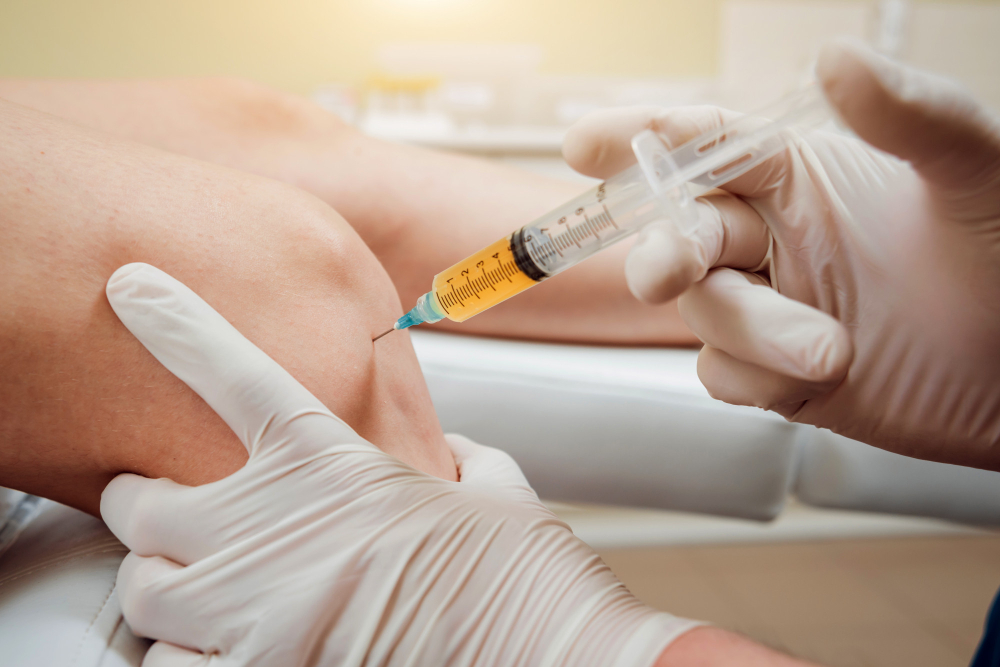
PRP stands for platelet-rich plasma. It is made by taking a small amount of your blood and spinning it in a machine. This process separates the platelets, which help with healing. The doctor then injects this plasma into the injured area. Because PRP uses your own blood, it is usually safe. Many people choose PRP to speed up healing and reduce pain.
Common Shoulder and Knee Injuries Treated with PRP
Doctors use PRP injections for many types of shoulder and knee injuries. For example, PRP can help with:
In addition, PRP may help with other soft tissue injuries. However, not all injuries are suitable for PRP. Always ask your doctor if PRP is right for you.
Typical Recovery Timeline After PRP Injection
Recovery time after PRP injection for shoulder or knee injuries can vary. Most people notice some pain or swelling for a few days. However, healing often takes several weeks. Here is a general timeline:
Still, each person heals at a different pace. For example, some may recover faster, while others need more time. Always follow your doctor’s advice for your specific injury.
Factors Affecting Recovery Time
Several factors can change how quickly you heal after a PRP injection. For instance, your age and overall health play a role. Other factors include:
Because everyone is different, your recovery may not match someone else’s. However, following your doctor’s plan can help speed up healing.
What to Expect During Recovery
After a PRP injection, you may feel some pain or swelling. This is normal and usually lasts a few days. In addition, you might notice:
Over time, you should see steady progress. For example, you may find it easier to move your shoulder or knee. However, if pain gets worse or you notice signs of infection, contact your doctor right away.
Tips for a Smooth Recovery
To help your body heal after a PRP injection, follow these PRP recovery tips:
Moreover, do not skip follow-up visits. These help your doctor check your progress and adjust your care plan if needed.
When to Seek Medical Advice
Most people recover well after PRP injections. However, you should contact your doctor if you notice:
Early treatment can prevent problems. Therefore, do not wait if you have concerns.
Prevention of Future Injuries
After you heal, it is important to protect your shoulder or knee. For example, you can:
Because prevention is key, these steps can lower your risk of future injuries.
Conclusion
In summary, recovery time after PRP injection for shoulder or knee injuries depends on many factors. Most people feel better within weeks, but full healing may take months. For best results, follow your doctor’s advice and use the PRP recovery tips shared here. Consult an orthopedic specialist for personalized recovery advice.
Sources: Centers for Disease Control and Prevention (CDC), World Health Organization (WHO), PubMed medical journals.