


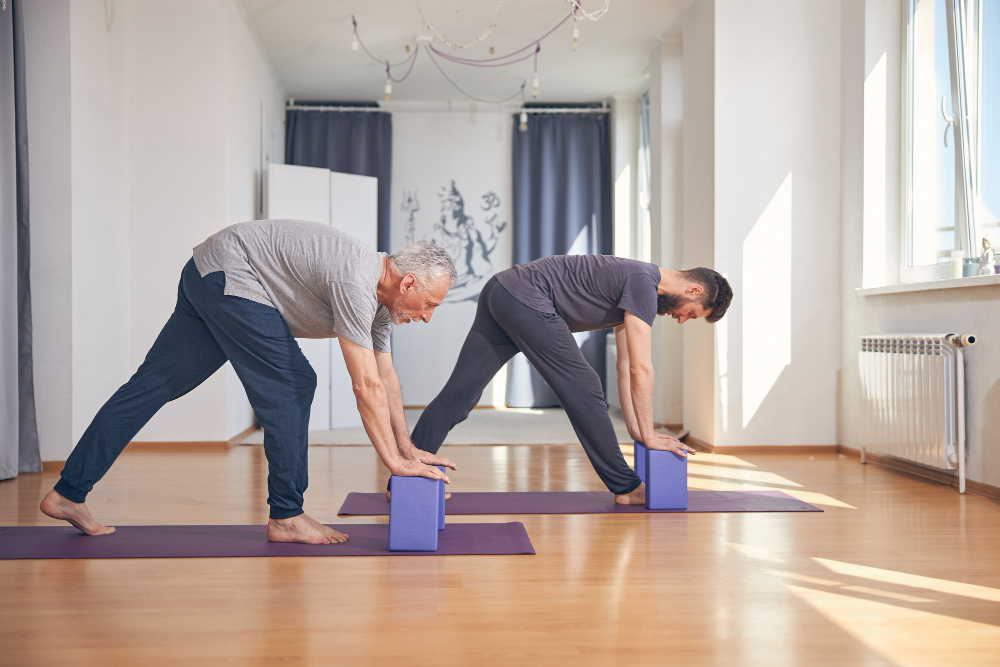
Introduction
Balance training to prevent falls in seniors is vital for safe and independent living. As people age, their risk of falling increases. However, with the right exercises and habits, seniors can improve balance and reduce fall risk. In this guide, you will learn why balance training matters, how to start safely, and which exercises help most. Whether you are a senior or a caregiver, these tips can support safer mobility at home and outdoors.
What Is Balance Training?
Balance training is a set of exercises that help the body stay steady. These exercises focus on improving strength, coordination, and stability. For seniors, balance training often includes simple movements that can be done at home. Because falls are a leading cause of injury in older adults, these exercises are important for daily safety. In fact, the Centers for Disease Control and Prevention (CDC) recommends balance training as part of fall prevention for the elderly.
Why Seniors Are at Risk of Falls
Many seniors face a higher risk of falling. As people age, muscles may weaken and joints can become stiff. Additionally, vision changes and slower reflexes make it harder to react quickly. Some seniors also take medicines that cause dizziness. For these reasons, older adults need to pay extra attention to balance and stability. According to the World Health Organization (WHO), falls are the second leading cause of accidental injury deaths worldwide, especially among seniors.
Benefits of Balance Training for Seniors
Balance training offers many benefits for seniors. First, it helps improve balance and coordination. As a result, seniors feel more confident when walking or standing. In addition, regular balance exercises can:
Because these benefits are so important, many fall prevention programs for elderly people include balance training as a key part.
Effective Balance Exercises for Seniors
Many safe home exercises for seniors can help improve balance. Before starting, make sure you have a sturdy chair or countertop nearby for support. Here are some simple fall prevention exercises for elderly adults:
Because these exercises are gentle, most seniors can do them daily. However, always start slowly and increase difficulty as you gain strength.
How to Start a Balance Training Program Safely
Starting a balance training program should be safe and gradual. First, talk to your doctor before beginning any new exercise routine. Next, choose a safe space with good lighting and no clutter. Always wear comfortable shoes with non-slip soles. In addition, keep a sturdy chair or countertop nearby for support. Begin with easy exercises and add more as you feel stronger. If you feel dizzy or unsteady, stop and rest. For extra support, consider joining balance training programs in your local area or community center.
Tips for Fall Prevention at Home
Making your home safer can greatly reduce fall risk in older adults. Here are some helpful tips:
Because small changes can make a big difference, review your home regularly for safety hazards.
When to Consult an Orthopedic Specialist
Sometimes, seniors may need extra help to improve balance or recover from a fall. If you notice frequent falls, ongoing dizziness, or pain in your joints, consult an orthopedic specialist. These doctors can check your bones and joints, suggest safe exercises, and recommend treatments if needed. In addition, they can help you find local balance training programs or physical therapy options. Early advice from a specialist can prevent injuries and support safer mobility.
Conclusion
In summary, balance training to prevent falls in seniors is key for safe and active living. With the right exercises and home safety tips, seniors can improve balance and reduce fall risk. For the best results, consult an orthopedic specialist for personalized balance training advice.