


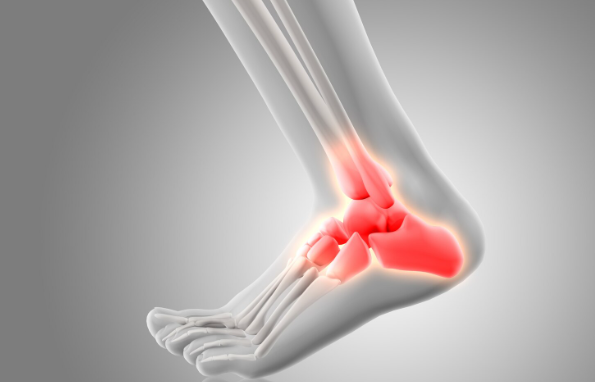
What is Tendonitis?
Tendonitis is a common condition that affects many people. It happens when a tendon, which connects muscle to bone, becomes inflamed or irritated. Because tendons help you move, tendonitis can make daily tasks painful. Often, people notice pain, swelling, or stiffness. In many cases, tendonitis symptoms start after repeated movements or overuse. For example, athletes and workers who use the same motion often are at higher risk. However, anyone can develop tendonitis. Understanding tendonitis, its symptoms, and tendonitis treatment is important for everyone. Knowing how to prevent tendonitis can also help you stay active and healthy.
Common Causes of Tendonitis
There are several reasons why tendonitis may develop. Usually, it is caused by repeated stress on a tendon. However, other factors can also play a role. Here are some common causes:
For instance, tennis players may get “tennis elbow,” while runners might develop Achilles tendonitis. But even simple daily tasks, like gardening, can sometimes cause tendonitis.
Recognizing Symptoms of Tendonitis
Tendonitis symptoms can vary, but some signs are common. Early recognition helps you seek treatment sooner. Look for these symptoms:
Sometimes, the pain gets worse with activity. However, resting the area may help reduce discomfort. If symptoms last more than a few days, it is best to talk to a doctor.
How Tendonitis is Diagnosed
Doctors use several steps to diagnose tendonitis. First, they ask about your symptoms and medical history. Next, they perform a physical exam to check for pain, swelling, or movement problems. Sometimes, doctors may order tests to rule out other issues. These tests can include:
Usually, a simple exam is enough. But, if your pain is severe or not improving, more tests may help. According to the CDC and orthopedic experts, early diagnosis leads to better outcomes.
Effective Treatment Options for Tendonitis
Tendonitis treatment aims to reduce pain and help healing. Most people recover with simple steps. Here are common treatment options:
In rare cases, doctors may suggest steroid injections or surgery. However, most cases improve with home care and physical therapy. The World Health Organization recommends early treatment to prevent long-term problems.
Lifestyle Tips and Prevention of Tendonitis
Preventing tendonitis is possible with a few simple changes. Here are some tips to help you avoid tendon problems:
Additionally, listen to your body. If you feel pain, stop and rest. Early action can prevent tendonitis from getting worse. For those living in busy cities, like New York or Los Angeles, daily movement and posture matter even more.
When to See an Orthopedic Specialist
Sometimes, tendonitis does not improve with home care. If you notice severe pain, swelling, or trouble moving a joint, see a specialist. Also, if symptoms last more than a week or keep coming back, it is time to get help. Orthopedic doctors can offer advanced treatments and advice. According to peer-reviewed journals, early specialist care can speed up recovery and prevent complications.
If you suspect tendonitis, consult an orthopedic specialist for personalized advice.